

- Programme
- Erasmus+ KA105 · Youth Mobility
- Period
- 2019–2021 · Completed
- Buinho’s role
- Coordinator
- Coordinator
- Buinho Associação
- Reference
- 2019-2-PT02-KA105-006042
Lingua Franca used biohacking — microbiology, DNA, low-cost lab work — as a way into diversity, migration and European identity, and to give young people with fewer opportunities access to high-quality science and digital education. The starting idea: Europeans' shared «lingua franca» is also written in DNA.
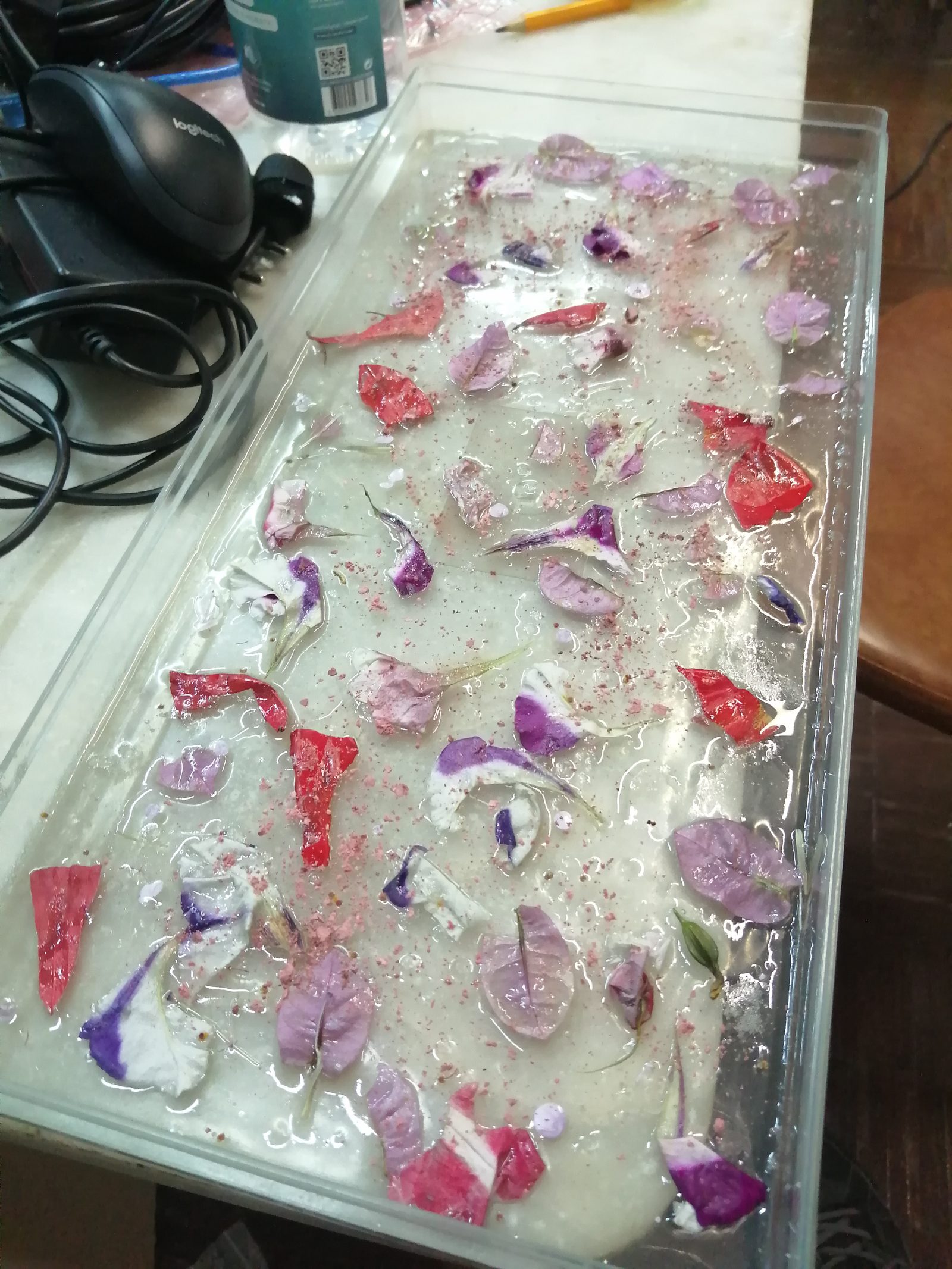
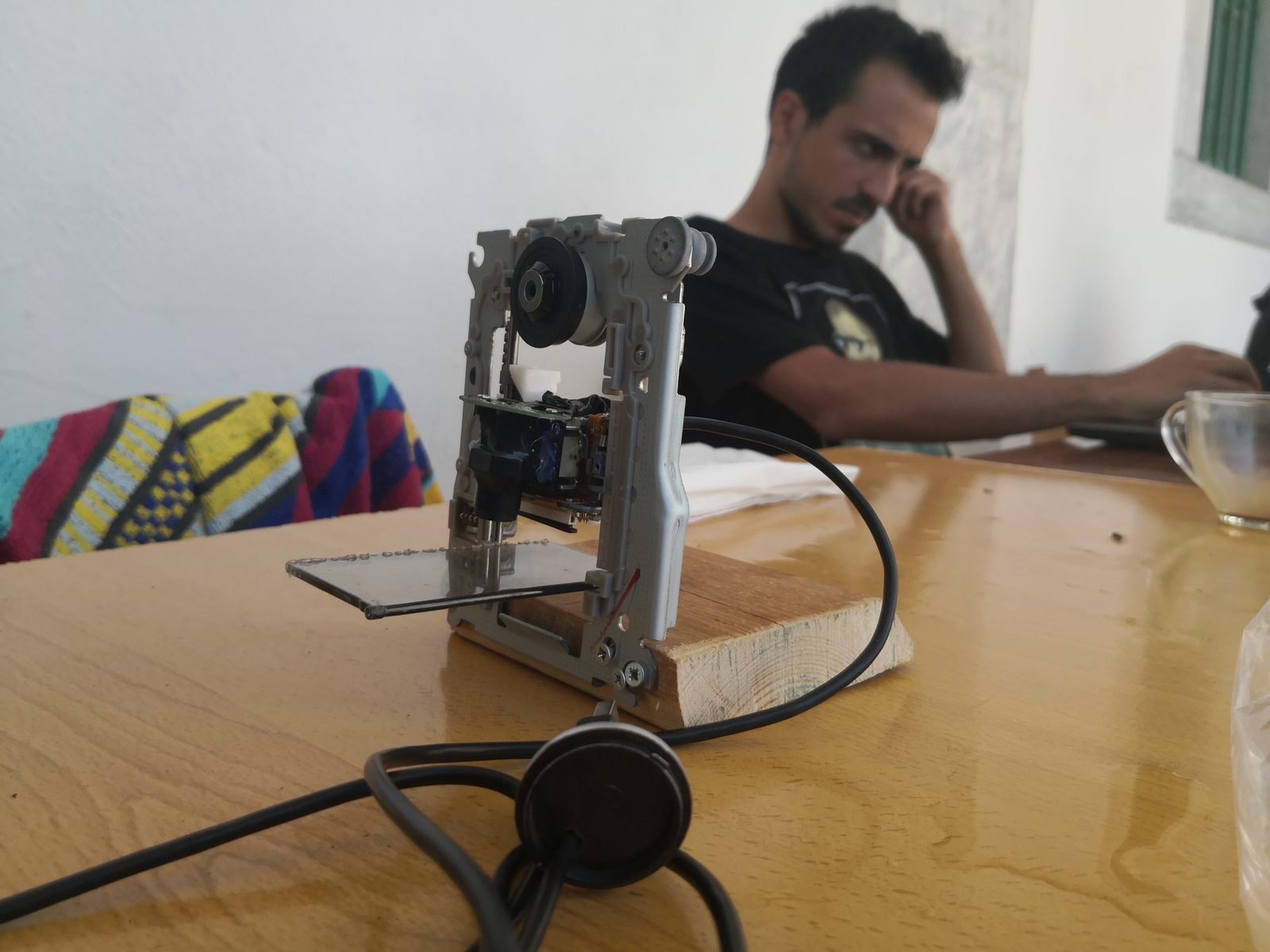
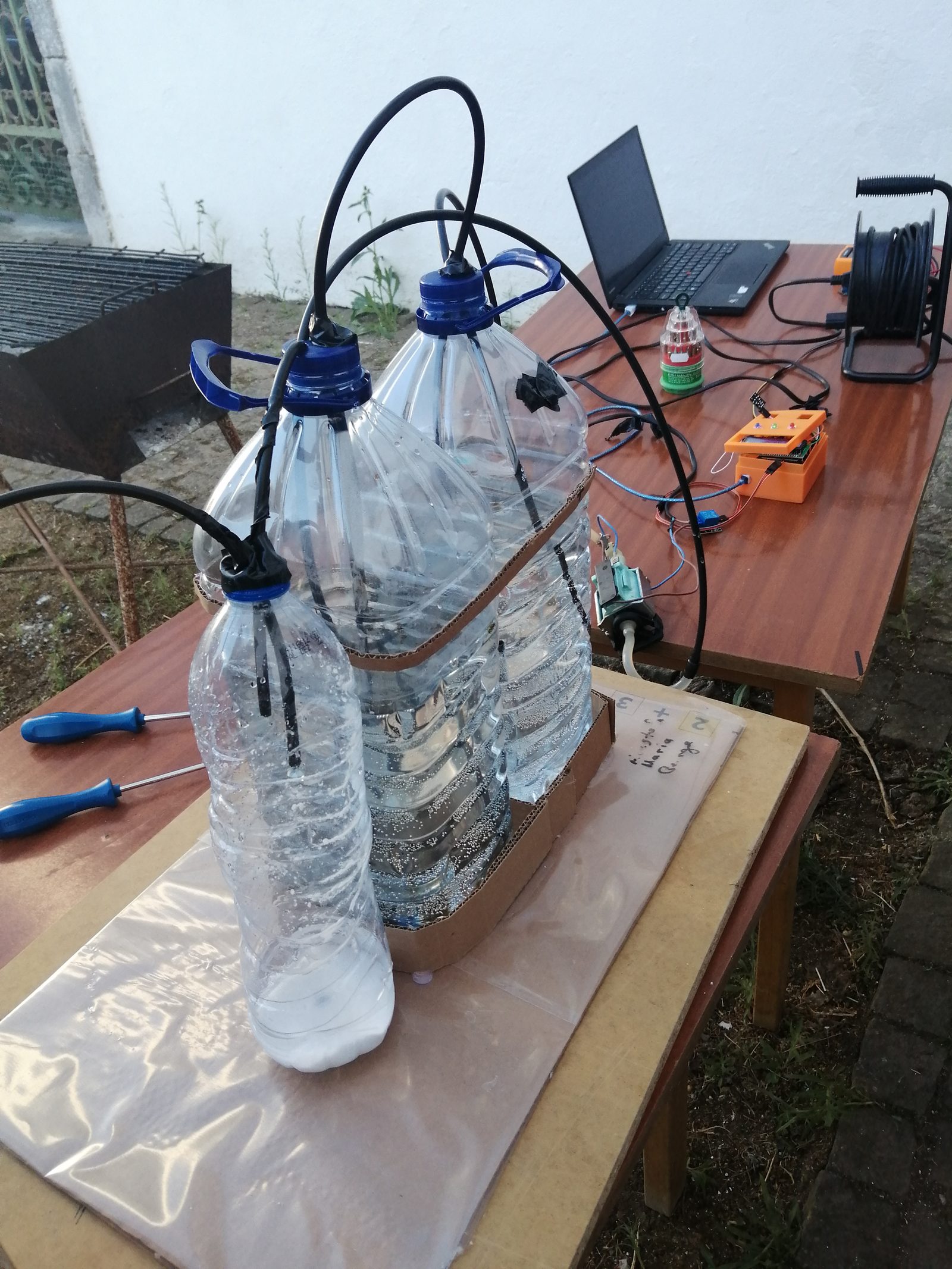
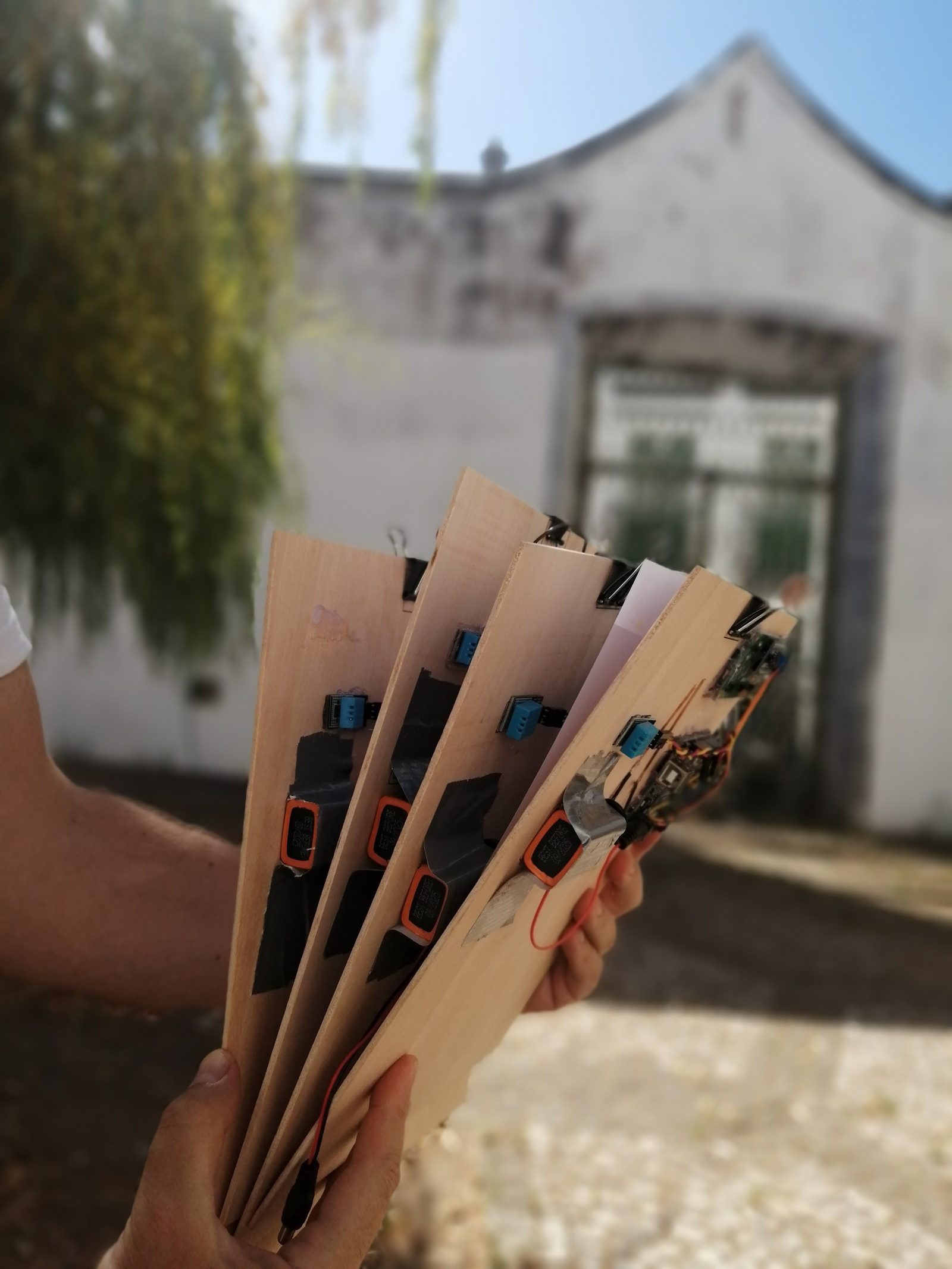
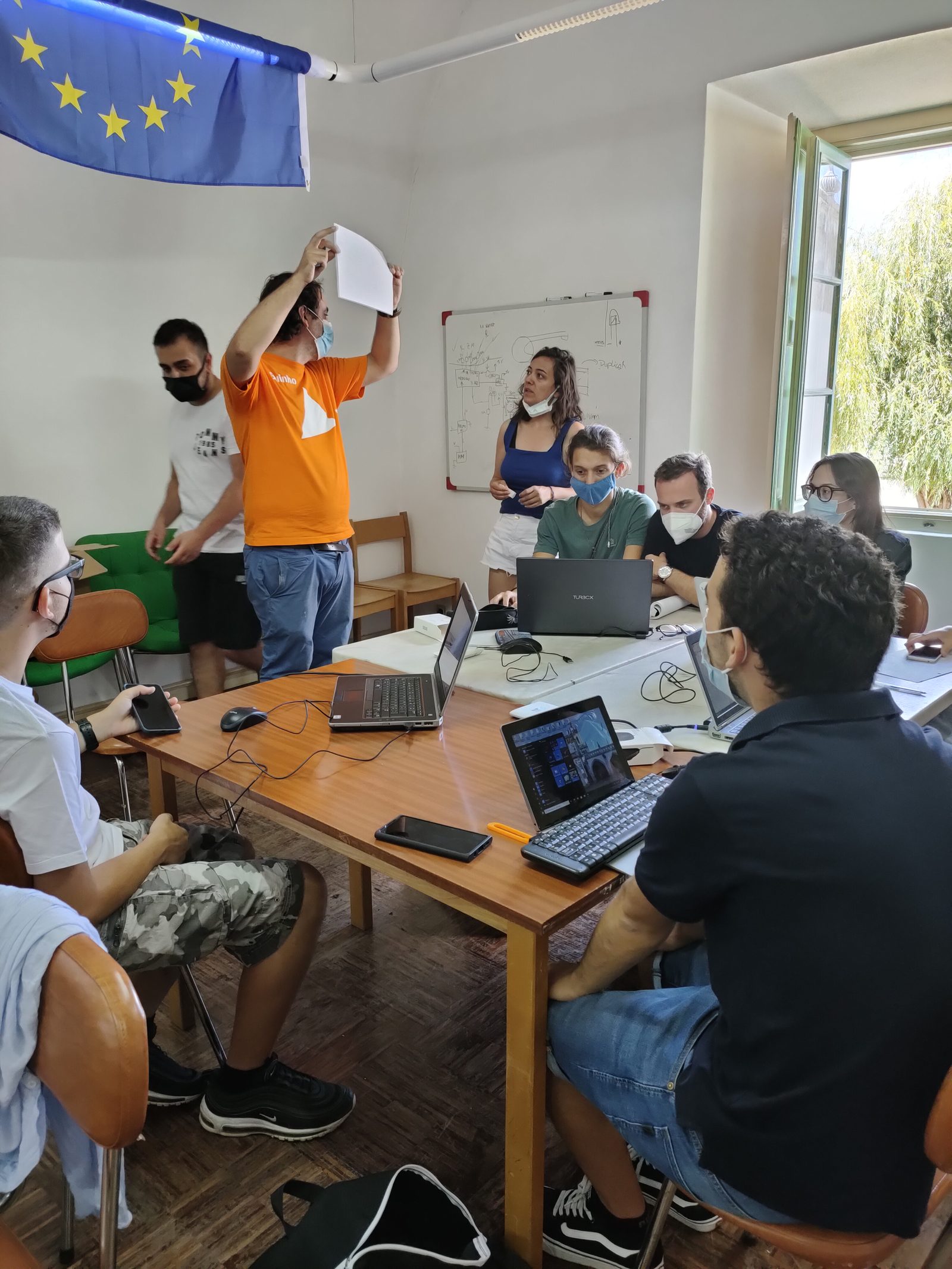
Approved before the pandemic, the exchange was postponed by a year and took place in Messejana in the summer of 2021, only with young people with fewer opportunities. Participants built their own lab equipment — microscopes, bioreactors, spectrometers — some of which they took home; they made mechanical prostheses and biomaterials later used in art projects; and they worked with a biohacker in residence.
The project left methods and equipment that Buinho went on to use in classrooms in schools in the Beja district, where there is little equipment for studying biology and microbiology, and it shaped activities of the EIRA school consortium. It is also the starting point of Buinho's biomaterials work. It received the Erasmus+ Good Practice label.
- 42 participants from 6 countries: 36 young people with fewer opportunities and 6 youth leaders
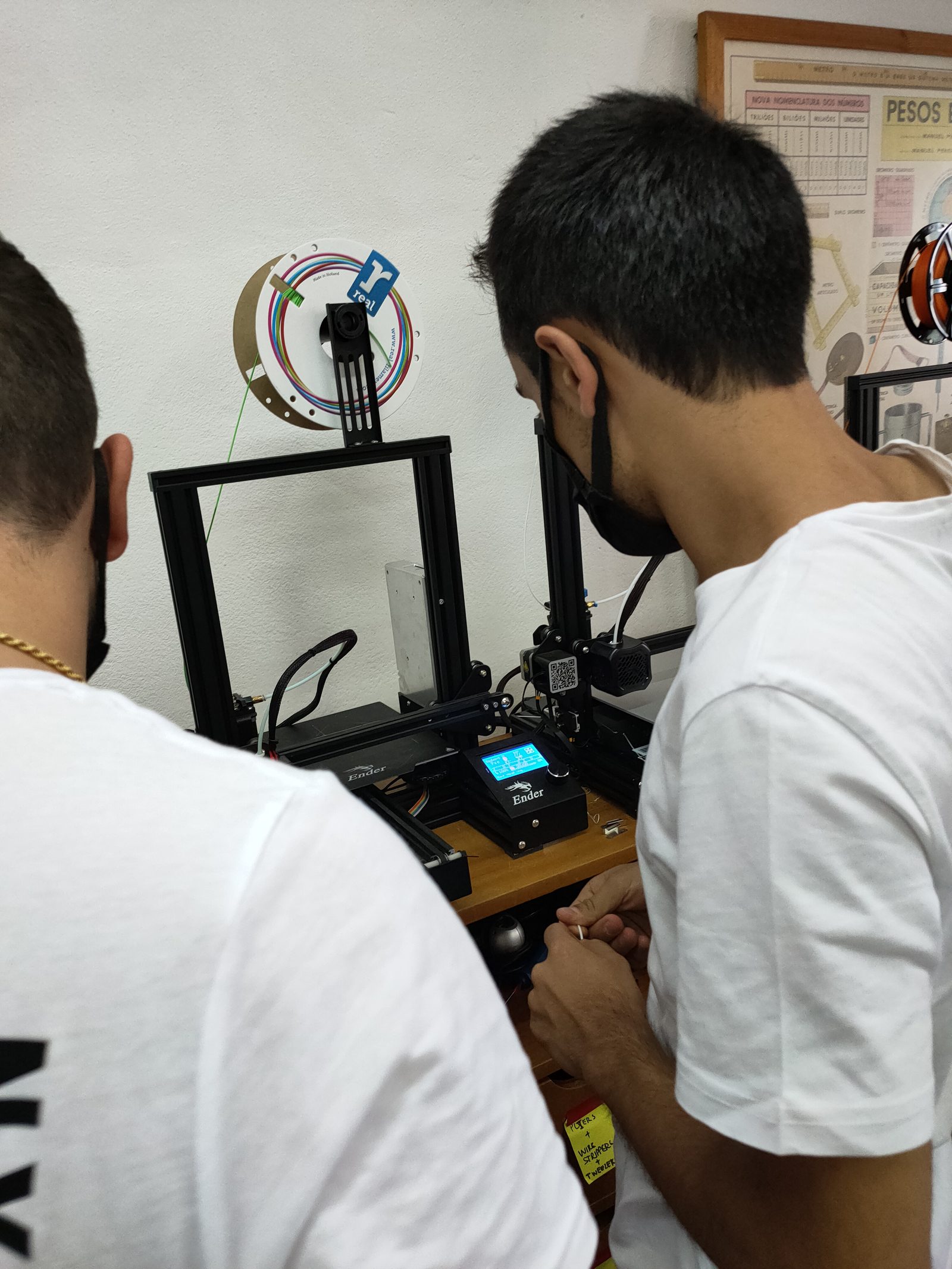
- Workshops on bio-art, biohacking, biomaterials and bioplastics, 3D modelling and printing, Arduino and prosthetics
- DIY lab equipment built by the participants
Partners
| Buinho Associação | Portugal |
| Pralnia Makerspace | Poland |
| Malta UNESCO Youth Association | Malta |
| Omilos UNESCO Neon Thessalonikis | Greece |
| UNESCO Club Haskovo | Bulgaria |
| Maltepe Fen Lisesi | Türkiye |
Repository
Erasmus+ Platform
Erasmus+ Project Results Platform page