

- Programme
- Erasmus+ KA210-SCH · Small-scale Partnerships, School Education
- Period
- 2026–2027 · Ongoing
- Buinho’s role
- Partner (Zingarelho) — leads the Aljustrel activity and the resource hub
- Coordinator
- Priv. Johannes-Gymnasium (Lahnstein, Germany)
What one student barely notices — fluorescent light, canteen noise, crowded corridors — can make school hard for another, especially for students with sensory processing differences. Sensing Belonging starts from a simple question: how does this space feel for each of us?
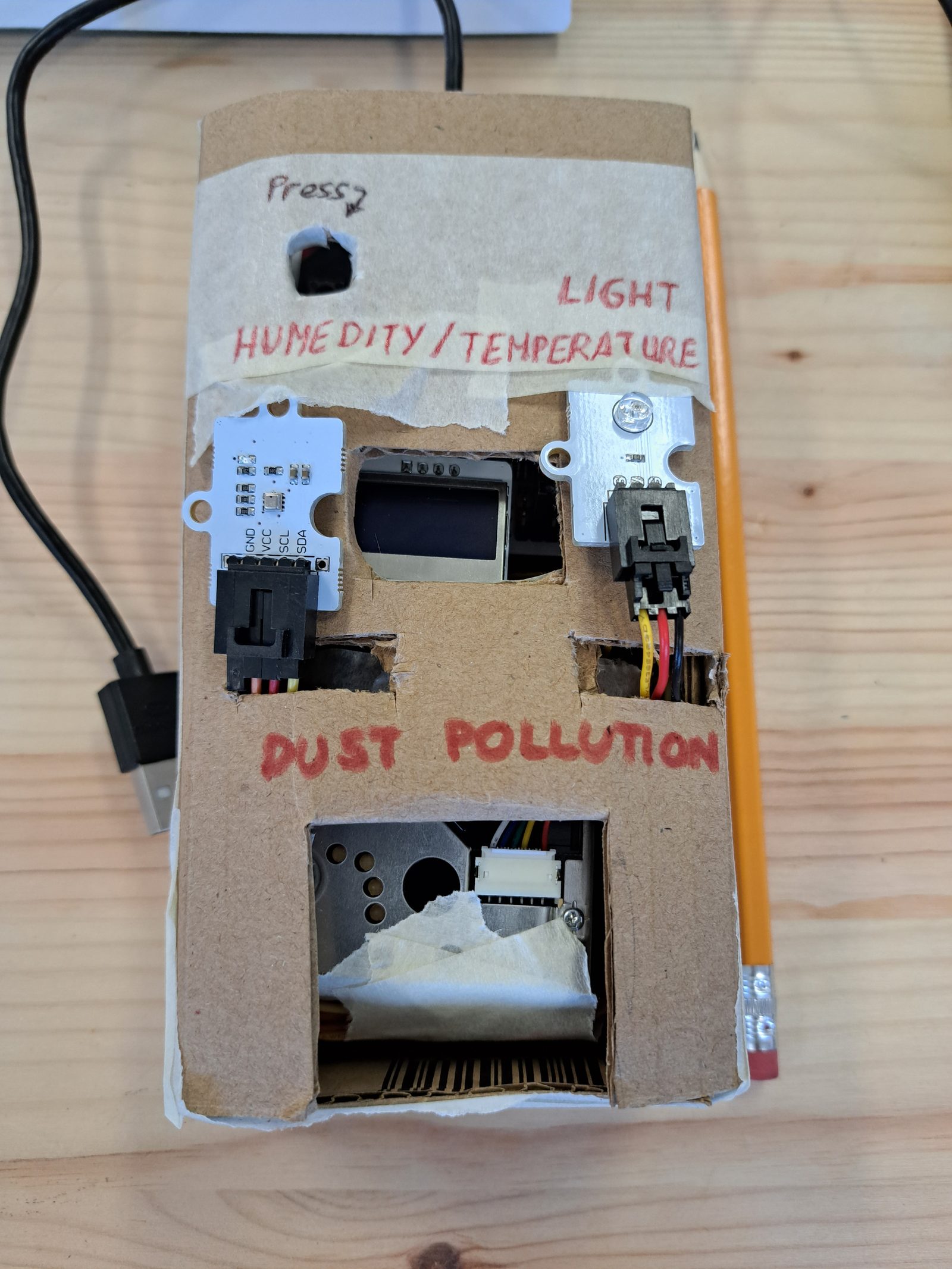
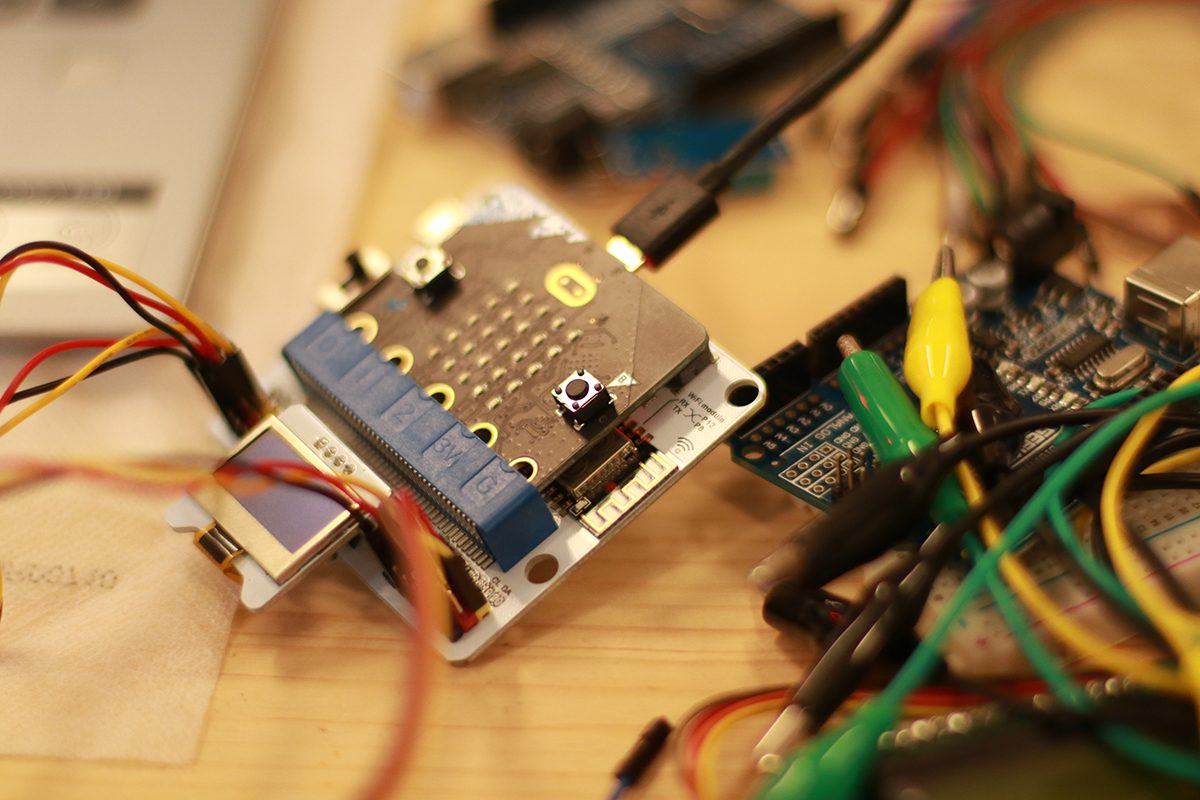
The project brings together a secondary school in Lahnstein, Rhineland-Palatinate, and Zingarelho, the education company of the Buinho ecosystem in Messejana. It adapts citizen sensing — the citizen science with low-cost sensors that Buinho has worked with since Youth Sensing — to map sensory barriers in schools. Students measure, discuss and design solutions that they then make: quiet spaces, sensory kits, visual signage and a pilot real-time sensor network. In Portugal the work takes place with schools in Aljustrel.
Zingarelho leads the Aljustrel activity and the online resource hub; the German school leads the teacher guidelines. The project was approved in 2026 by the German national agency and runs from September 2026 to December 2027.
- Sensory maps and prototypes designed by students in two schools, in Germany and Portugal
- Pilot real-time sensor network
- Teacher training and open guidelines for other schools
Partners
| Priv. Johannes-Gymnasium | Germany |
| Zingarelho | Portugal |
Repository
Toolkit and guide
Teacher guidelines and online resource hubIn preparation